
Beaches and boat trips tend to get all the attention. This guide covers everything else: the small practical things that make your stay in Fethiye run smoothly, from money and transport to finding a pharmacy when you need one. Use the links below to jump to whatever you need.
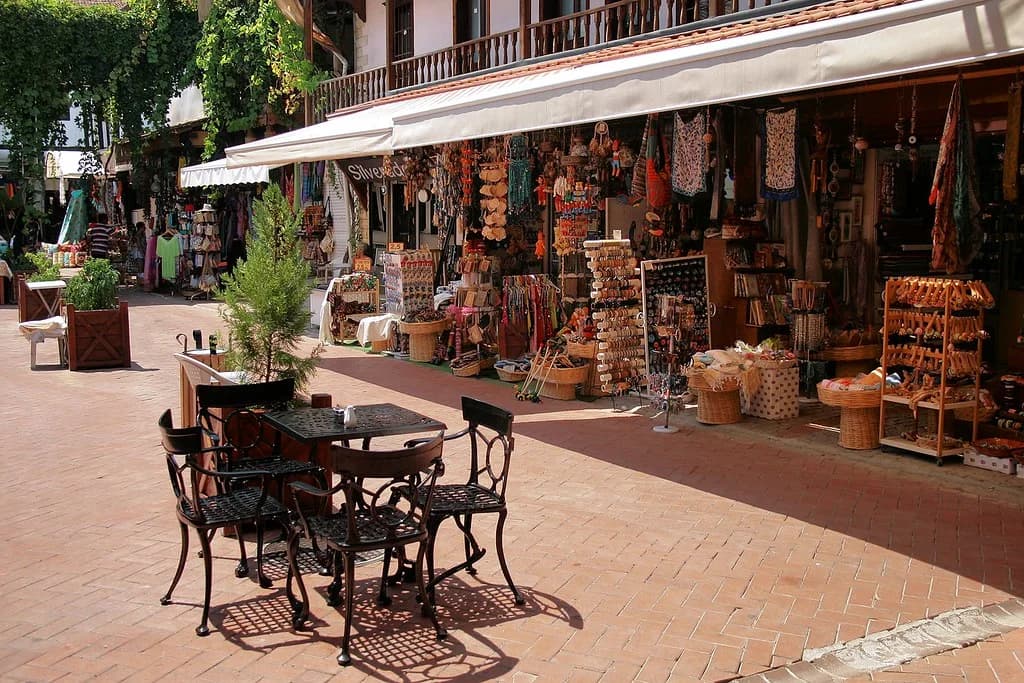
1) Money & Payments in Fethiye
Most visitors find it useful to carry some Turkish lira. Cash is handy at bakeries, local markets and some car parks, although cards are widely used in shops, restaurants and tour offices.
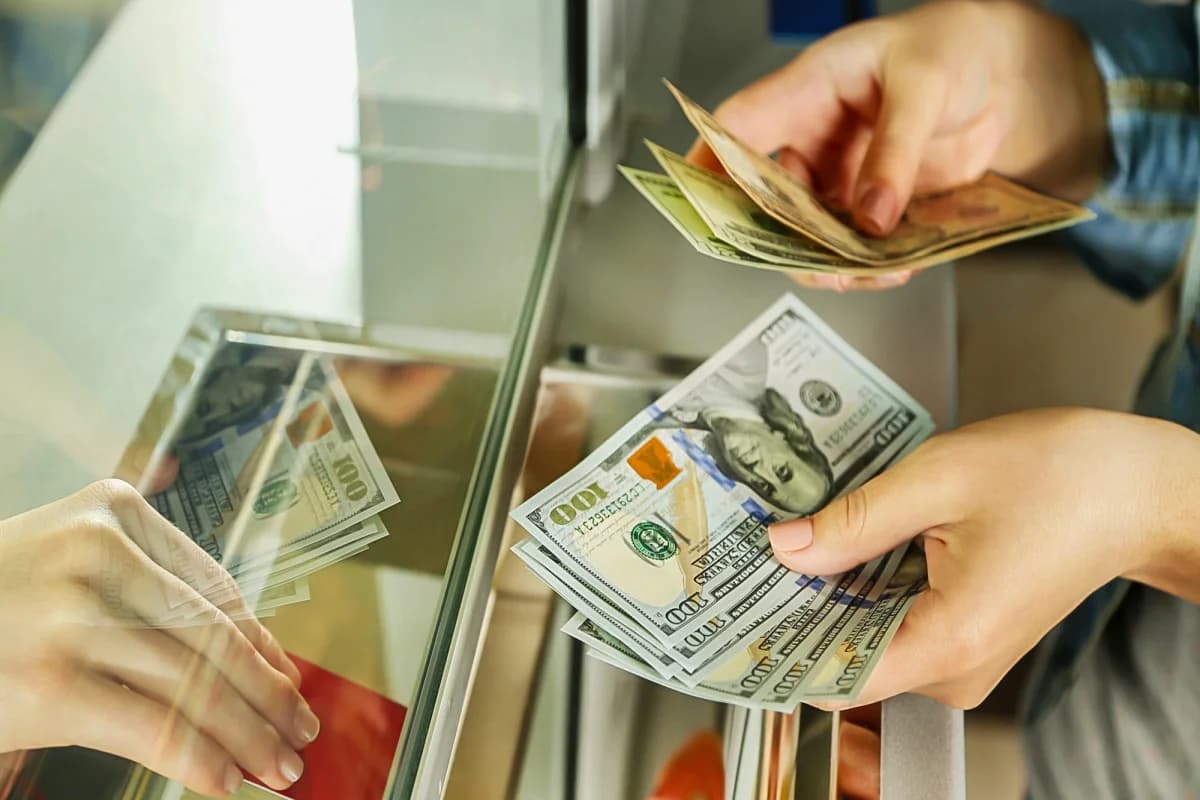
Businesses serving holidaymakers may also accept pounds sterling, euros or US dollars, though exchange rates vary from place to place. Scottish and Northern Irish banknotes are generally not accepted by shops, restaurants or other businesses in Fethiye. Some currency exchange offices may accept them, but usually at a significantly worse rate than Bank of England notes. If you are travelling with Scottish or Northern Irish banknotes, it is better to exchange them before arriving in Turkey or bring Bank of England notes instead.
Cards work the same way: if a card machine or an ATM offers to charge you in pounds, euros or dollars instead of lira, decline and choose lira. The rate used in that conversion is set by the shop's payment provider or the ATM operator, not by your own bank, and it is almost always worse.
ATMs in Fethiye: If you need to withdraw cash, start with an ATM belonging to a major bank such as Ziraat or Halkbank. Machines in shops, hotel lobbies and petrol stations often charge higher fees and offer poorer conversion rates.
Smokers may also find that locally sold cigarettes taste different from the brands they smoke at home. If you are attached to a particular brand, Dalaman Airport duty-free may be worth checking on arrival.
2) Water & Staying Hydrated
In Fethiye, tap water can taste different from one hotel or villa to the next, partly because of the plumbing and storage tanks.
Many residents use tap water for cooking, washing fruit and brushing their teeth. For drinking, ask your host or hotel reception what they recommend; most visitors choose bottled water.
3) Getting Around Fethiye by Dolmuş
A dolmuş is a shared minibus that runs along a fixed route but not to a fixed timetable, picking passengers up and setting them down anywhere along the way. There is no need to book, and you will rarely wait long on the busier routes.
The dolmuş is an easy and affordable way to get around, connecting the town centre with beaches, residential areas and nearby resorts. Popular routes run frequently in summer, and many vehicles are air-conditioned.
Paying is straightforward: contactless credit and debit cards (Visa and Mastercard) as well as the Muğla Kentkart are accepted on all dolmuşes across Fethiye. Tap your card on the card reader as you board.
Useful routes to remember:
- Fethiye → Ölüdeniz: A popular route with visitors. Dolmuşes leave from the central area near the Yeni Hamidiye Mosque, known locally as the White Mosque.
- Fethiye → Çalış: An easy way to reach the Çalış seafront without taking a taxi. Dolmuşes run from the same central area.
Check the destination displayed at the front and flag the minibus down as it approaches. If you are unsure which one you need, ask the driver or another passenger.
Taxis are easy to find at ranks in the centre and at the main resorts, and private transfers can be arranged in advance if you would rather not use public transport.
Still working out how to get here? See our guide on how to get to Fethiye.
4) Pharmacies: Finding an Eczane & Out-of-Hours Help
In Turkey, an eczane (pharmacy) is usually the best first stop for everyday problems on holiday, from sunburn and insect bites to mild allergies and upset stomachs. Basic first-aid supplies and over-the-counter medicines are easy to find, and the staff can also tell you whether you need to see a doctor.
Sun cream, aftersun and insect-bite treatments are widely stocked. If you need something specific, go during the day rather than leaving it until late in the evening, when only duty pharmacies will be open.
5) Local Life: Street Cats and Dogs in Fethiye
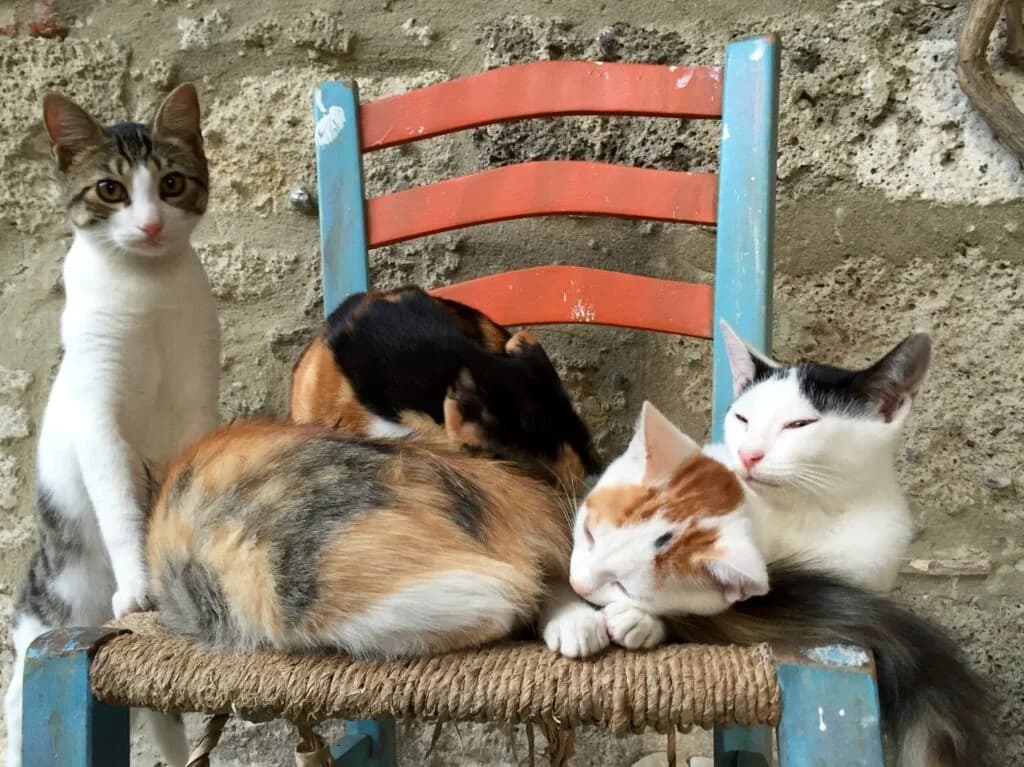
Fethiye's cats and dogs are part of the town's everyday character. You will see them around cafés, side streets and the lanes of Paspatur (Old Town).
You may also notice small wooden shelters (kedi evleri) put out for them in parks and other public spaces. Many stray dogs are tagged and looked after by the municipality. Give the animals space, and do not disturb them while they are resting.
6) Halk Evi: Inexpensive Tea, Coffee and Snacks
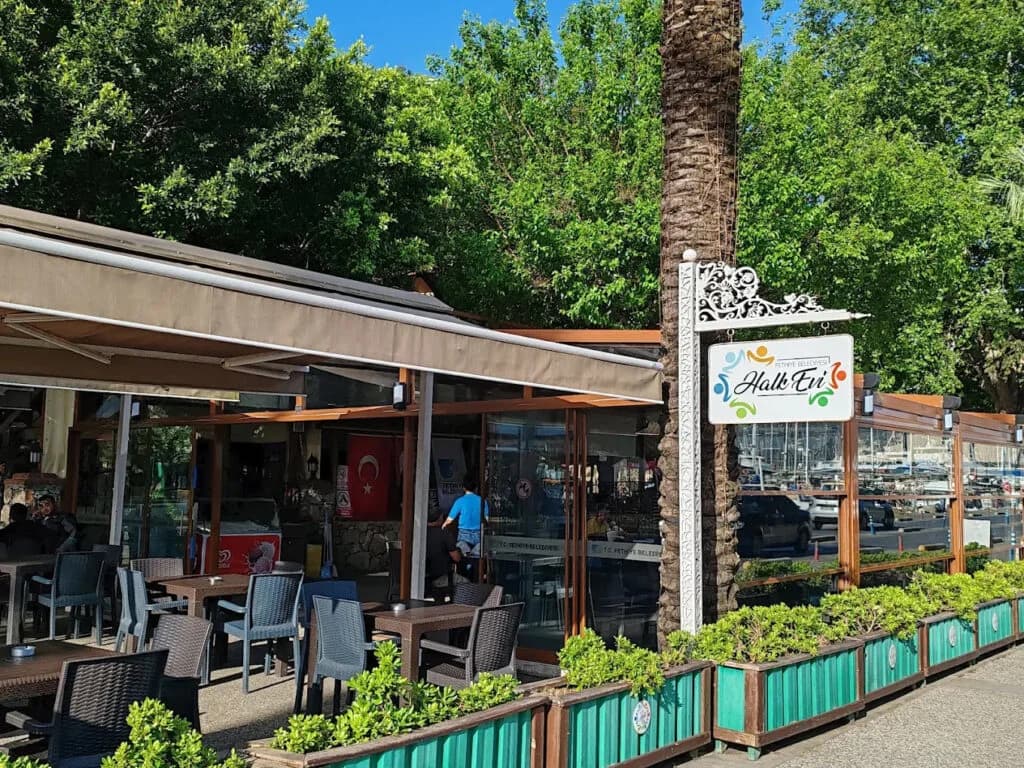
A Halk Evi is a municipality-run café where tea, coffee, soft drinks and basic snacks are served at low, fixed prices. You order and pay at the counter, then find a seat.
These cafés are simple and unpretentious. You are likely to find people reading a newspaper, playing backgammon or passing time between errands. Tipping is not expected.
Once you have the practical side sorted (cash, dolmuş routes, pharmacies and drinking water), the rest takes care of itself, whether you spend an afternoon on the seafront, an hour over tea at the Halk Evi or an evening wandering through Paspatur. For more ideas, see our guide to things to do in Fethiye.
Frequently Asked Questions
Do I need to carry Turkish lira in Fethiye?
It is useful to carry some Turkish lira for bakeries, local markets, some car parks and small purchases. Many businesses that regularly serve visitors also accept cards or foreign currency, but lira is usually easiest for everyday spending.
Should I drink the tap water in Fethiye?
Most visitors in Fethiye drink bottled water, which is inexpensive and sold everywhere. Many residents use tap water for cooking, washing fruit and brushing their teeth. As internal plumbing and storage tanks vary from one building to the next, ask your host or hotel reception what they recommend.
Can I pay by contactless card on a dolmuş in Fethiye?
Yes. Contactless Visa and Mastercard payments are accepted on all dolmuşes across Fethiye, as is the Muğla Kentkart. Tap your card on the card reader as you board. If you expect to travel by dolmuş regularly, a pre-loaded Kentkart can be convenient.
How do I find an out-of-hours pharmacy in Fethiye?
Ask at your hotel reception, which can check the current rota for you, or look in the window of any closed pharmacy, where the details of the nearest nöbetçi eczane are posted. The rota changes from day to day, so check on the day you need it rather than relying on a pharmacy that was on duty earlier in the week.
Is Fethiye easy to explore without hiring a car?
Yes. Visitors staying in or near Fethiye centre, Çalış, Hisarönü, Ovacık or Ölüdeniz can usually manage well using dolmuş services, taxis and transfers.