
Çalış Beach stretches for almost four kilometres along the north-eastern shore of Fethiye Bay. It is the easiest of Fethiye's main beaches to reach from the town centre, and the shoreline is long enough that there is usually space to find your own patch. Where many of Fethiye's smaller coves are hemmed in by cliffs, Çalış has an expansive shoreline and a wide horizon.
The beach lends itself to a relaxed day out, particularly if you want a waterside walk, an evening by the sea or a change from Fethiye's calmer bays. Behind the beach, a strip of small hotels, cafés and restaurants backs onto ordinary residential streets, and Çalış is as popular with people who live in Fethiye as it is with visitors, which gives it the feel of a neighbourhood rather than a resort.
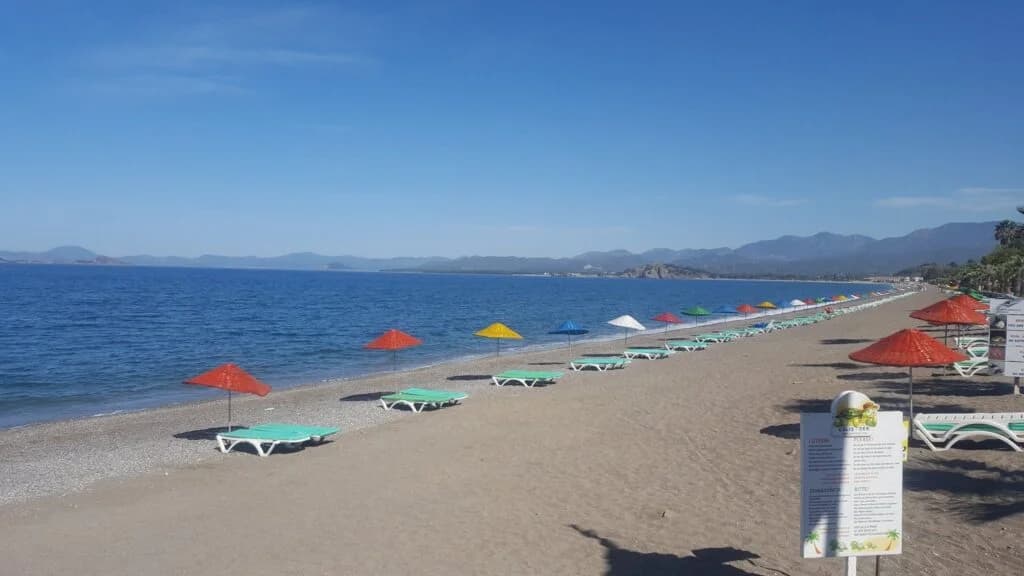
Is Çalış Beach Right for You?
- Families: Well suited. Cafés a few steps away and a long shoreline make Çalış a convenient choice for a laid-back day close to central Fethiye. One thing to bear in mind: the water gets deep close to shore, so younger children need supervision.
- Nightlife: Low-key. Expect sunset drinks and leisurely dinners rather than late-night clubs.
- Calm, sheltered water: Not here. Çalış is not the place for lagoon-style swimming, so choose Ölüdeniz Blue Lagoon instead. This beach comes into its own when you want plenty of space and a clear view to the west at sunset.
How to Get to Çalış Beach from Fethiye
From central Fethiye, Çalış is straightforward to reach by water taxi or dolmuş.
- By Water Taxi: Boats run from the jetty on the Kordon, Fethiye's seafront – right by the main harbour where daily excursions like the 12 Islands boat tour set out in the morning. Through the summer they operate at half-hour intervals in both directions. As of September 2026, the one-way fare is 200 TL per person and the crossing takes around 30 minutes, following Fethiye's waterfront before turning into the Çalış canal. The last boat back to Fethiye leaves Çalış at 23:00, and the last boat out to Çalış leaves Fethiye at 23:30. If you are staying in town, plan your return around the 23:00 service. Water taxis run from the beginning of April to the end of October, with a reduced timetable early and late in the season. Boarding involves a step down from the jetty, so if you are travelling with a wheelchair, the dolmuş or a conventional taxi is the more practical way to arrive.
- By Dolmuş: Look for a dolmuş marked 'Çalış'. In peak season, they run roughly every 10 to 15 minutes from Fethiye's main bus station and the journey takes 15 to 20 minutes. That is quicker than the boat, and it is the practical option outside the water taxi season or late at night.
Swimming at Çalış Beach: What to Expect
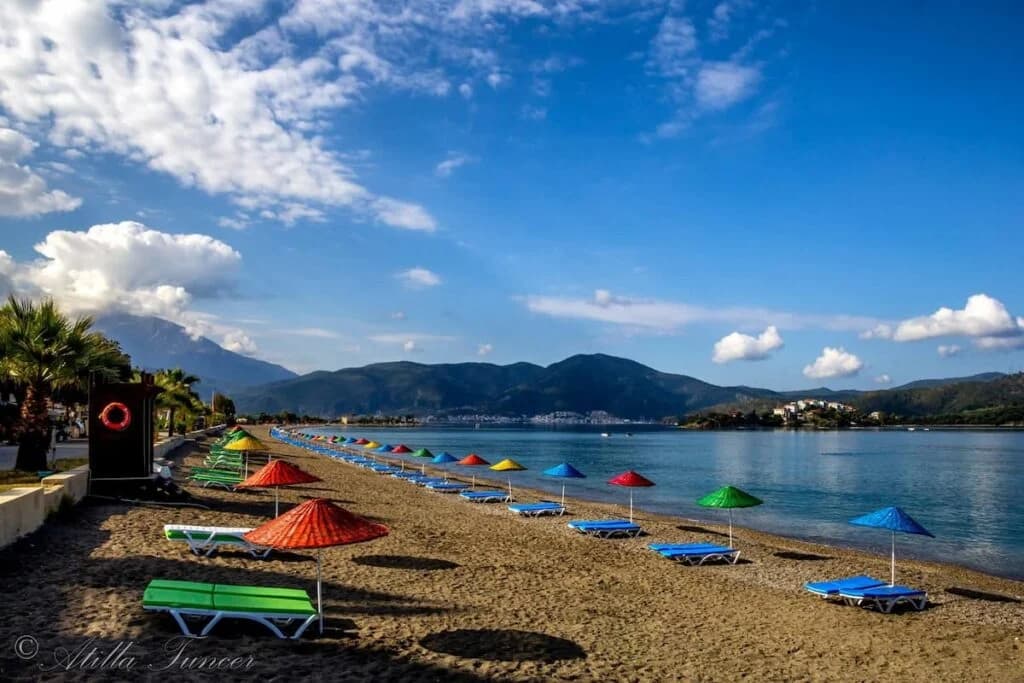
This stretch of coast is more exposed than a lagoon or an enclosed cove, and the water is usually at its clearest in the morning. The breeze builds through the late morning and is strongest in the afternoon, making the sea choppier and stirring up sand in the shallows.
The first few metres are pebbly underfoot and the seabed drops away fairly quickly; further out it becomes sandier. Water shoes make a real difference, especially for children or anyone who would rather not walk over pebbles. You may also feel small fish brushing past your feet in the shallows, but they are harmless.
- ✅ Toilets, showers & changing rooms are available along the beach
- ✅ Sunbeds & parasols are available to hire along much of the seafront
- ✅ Many beachside businesses accept cards, but it is worth carrying some cash as well
- 🌤️ Natural shade is limited, so bring a parasol if you plan to stay a while
- 🌅 For a quieter, shadier walk in the morning, head towards the Bird Sanctuary end of the beach
Çalış Beach is a protected nesting area for loggerhead sea turtles (Caretta caretta). You are unlikely to see the turtles themselves during the day. Nesting sites are clearly marked, and from around May to October you may see cages around them on the upper beach, above the waterline.
During the nesting season, please:
- Keep clear of marked nesting areas, and do not move or interfere with the cages or the signs beside them.
- Fill in any holes you dig before you leave, as hatchlings can become trapped in them.
- Avoid shining torches or phone lights towards the sand after dark, as this disorientates hatchlings heading for the sea.
Çalış Beach at Sunset
Çalış is at its best around sunset. The beach faces west across Fethiye Bay, with the wooded outline of Şövalye Island in the middle distance, so on clear evenings the sun goes down over water and islands rather than rooftops.
In the early evening the seafront fills up. Restaurants begin to get busy and many people settle in with a drink to watch the light change before dinner.
Sunset times shift a good deal across the season. As a rough guide, the sun sets around 19:25–19:50 in April, 19:50–20:25 from May to July, 19:35–20:10 in August, 18:50–19:35 in September and 18:10–18:45 in October. If you want a table with a view, aim to be on the seafront 30 to 40 minutes beforehand.
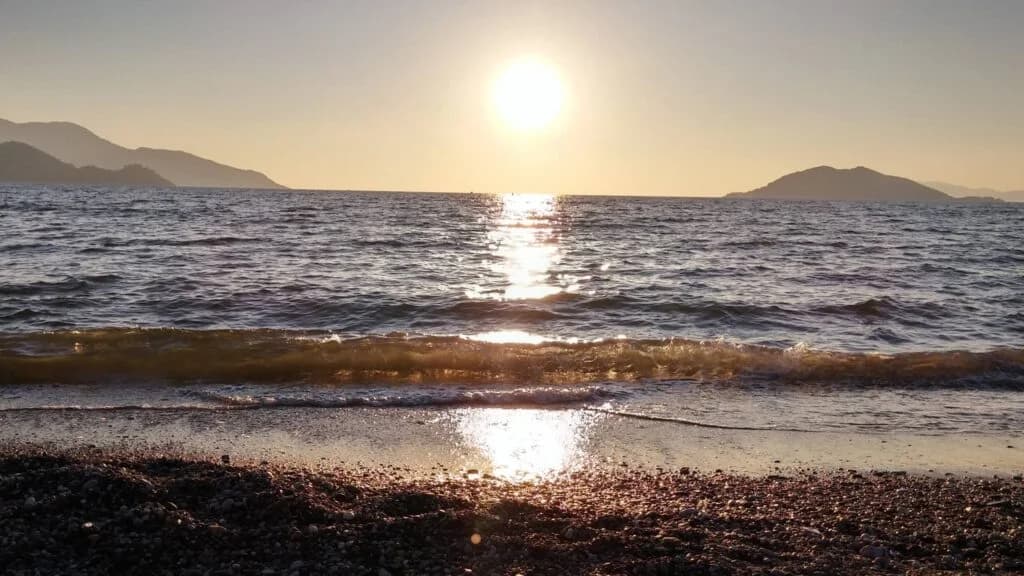
The cafés and restaurants along the shore are informal, easy-going places, serving anything from a coffee and a snack to a full seafood dinner.
The Waterfront Promenade at Çalış Beach
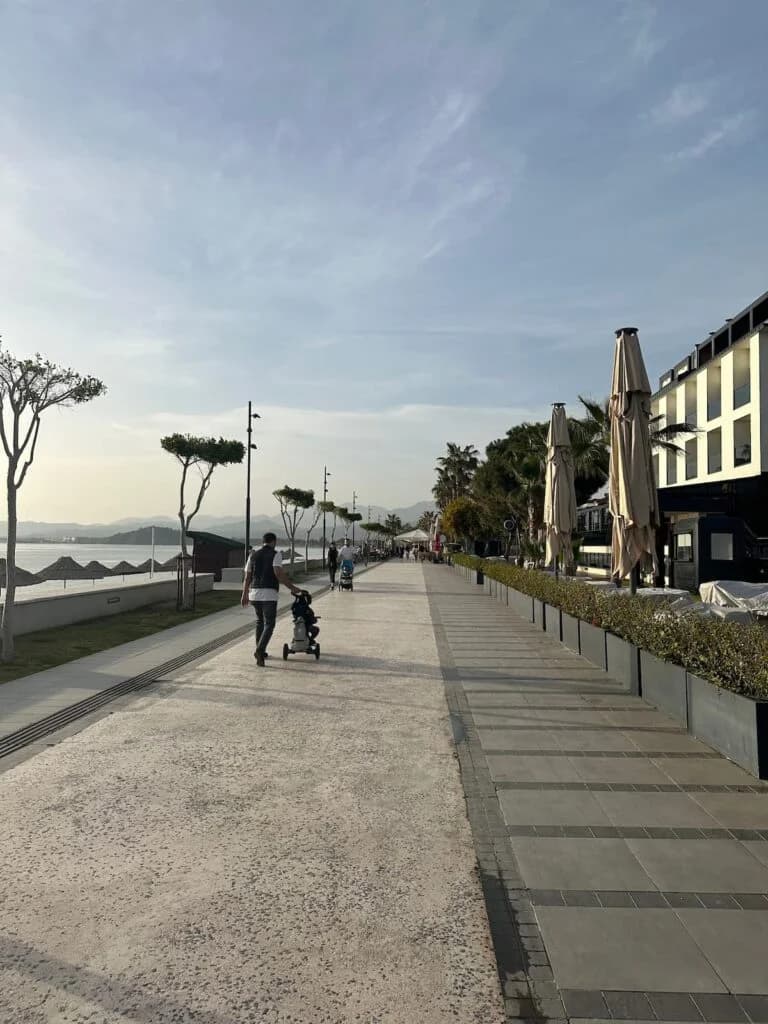
Çalış is as much about its waterfront promenade as it is about swimming. The paved seafront path follows the full length of the shoreline, with plenty of places to stop along the way. It is car-free and level for almost its entire length, which makes it straightforward with a pushchair or a wheelchair.
Beyond the Seafront: Bird Sanctuary, Park & Koca Çalış
Towards the southern end of the beach, near Fethiye State Hospital, you will find the Fethiye Bird Sanctuary and Şehit Fethi Bey Park, a shaded stretch of lawns and benches that offers a welcome escape from the midday sun. The wetland looks close to the seafront on a map, but the canal cuts across the direct route and you have to walk round to the nearest bridge, a detour of about 10 minutes.
The sanctuary, known locally as 'Duck Island', is a protected wetland rather than an actual island. Wooden walkways cross shallow channels where you might spot ducks and migratory birds among the reeds. This corner is greener and quieter than the central seafront, especially in the morning.
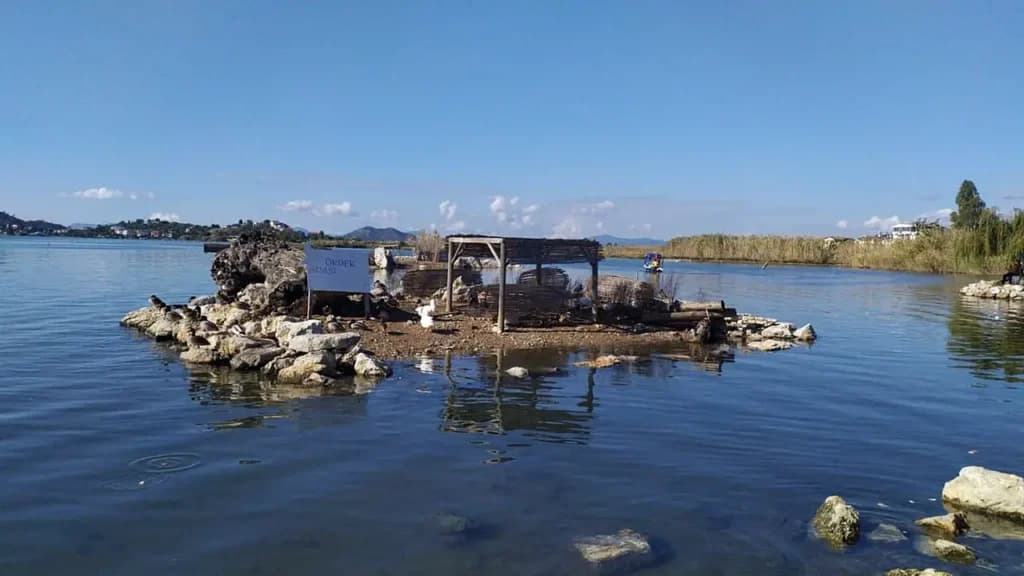
Walk north from here and you pass back along the busier section of Çalış before it gives way to Koca Çalış. This is a wider stretch with fewer restaurants than the seafront behind you, which makes it better for a long, quieter walk in the evening. It is also more exposed to north-westerly winds, so there is little shelter if the breeze picks up.
In summer, you may also notice small campsites and caravan pitches nearby, which draw travellers looking for a peaceful base a short ride from Fethiye.
Combining Çalış Beach with a Day in Fethiye
The water taxi makes it easy to put a beach day and a town visit together. Cross the bay and you can wander through the lanes of Fethiye Old Town or walk uphill to the Amyntas Rock Tombs, which look out over the town. If you are staying in Çalış, one option is to spend the late afternoon in central Fethiye, then take the boat across in time for dinner on the seafront.
Çalış Beach FAQs
It depends on what you want from the day. Ölüdeniz Blue Lagoon is better for calm, sheltered swimming, but it sits over the hill from Fethiye and works best as a full day out. Çalış Beach is 15 to 20 minutes from the town centre by dolmuş, so you can spend the morning in Fethiye and still be by the sea for lunch, then stay on for sunset.
The shoreline at Çalış Beach is mostly pebbly, with some sand mixed in. Once you are in the water, the seabed becomes sandier further out.
The crossing from Fethiye to Çalış Beach takes around 30 minutes each way. Boats run from the beginning of April to the end of October, and in summer the last boat back to Fethiye leaves Çalış at 23:00.
Yes. Çalış Beach is a protected nesting area for loggerhead sea turtles (Caretta caretta). In summer, keep clear of marked nesting areas and do not move or interfere with any cages or signs on the sand.
For calmer water, arrive early in the morning, ideally before 10:30. For atmosphere, views and cooler air, sunset is the best time of day to be by the water.
This guide is updated by the Fethiye Tours team in Fethiye. We live and work here all year round, so we keep track of the things visitors ask about most: sea conditions, wind strength, boat and dolmuş timings and any changes along the seafront.
If you have a quick question about timings, transport or current conditions on the beach, you can message our local team directly on WhatsApp.