
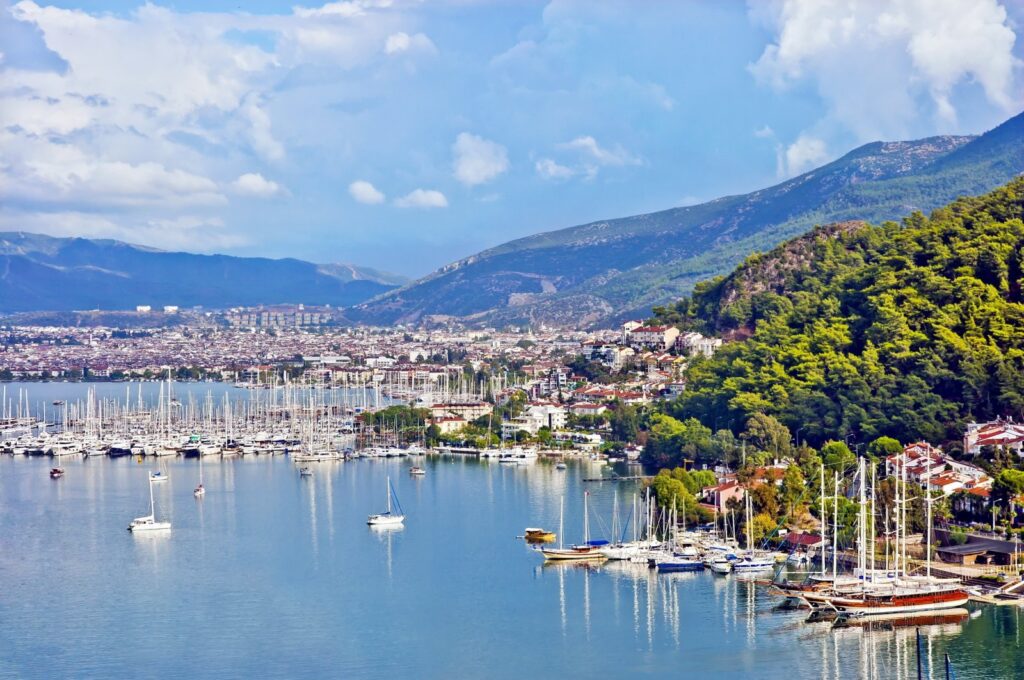
Fethiye is a coastal town in Muğla Province on Turkey’s south-west Mediterranean coast.
It sits between Marmaris and Antalya, with Dalaman Airport (DLM) close enough for a straightforward airport transfer.
Unlike a single, enclosed beach resort, Fethiye is a working harbour town spread around a wide bay, with beach resorts, marinas, hillside villages and rural areas sitting close to one another.
Many visitors use Fethiye as a starting point for exploring the wider region. You can stay in the town centre for restaurants, harbour life and transport, head to Ölüdeniz or Çalış for beach days, and easily take day trips to places such as Saklıkent Gorge, Kayaköy and the Kabak–Faralya coastline.
This guide explains where Fethiye is, how to get there, when to visit, who it suits best, and which part of the area makes the most sense for your stay. If you already know you want a coastal base, you can also jump straight to our full guide to things to do in Fethiye.
Fethiye on the Map
Fethiye sits around a sheltered natural bay on Turkey’s south-west coast, with mountains behind it and beach, village and countryside areas spread across the wider region.
This layout matters when you are choosing where to stay: Fethiye town is convenient for transport, restaurants and harbour life, while Ölüdeniz, Çalış and Kayaköy suit more beach-focused, seafront or rural stays.
Where Is Fethiye Located in Turkey?
Fethiye is in Muğla Province on Turkey’s south-west coast, between Marmaris and Antalya. The nearest international airport is Dalaman Airport, which is about 45 km away.
For most visitors, the main advantage is convenience. Fethiye is easier to reach than many smaller coastal towns, while still giving you easy access to beaches, boat trips, mountain scenery and nearby inland sights.
Here is how Fethiye compares with the nearest major travel hubs:
| Location | Relationship to Fethiye | Approximate Transfer Time |
|---|---|---|
| Dalaman Airport (DLM) | Nearest international airport | 45–60 minutes |
| Marmaris | Coastal town to the west | About 2 hours |
| Antalya | Major city to the east | About 3 hours |
| Kaş | Popular seaside town to the east | 1.5–2 hours |
Times are approximate and can increase in summer, especially on the Ölüdeniz road.
Fethiye is also one of the main gateways to the Lycian Way, a 540 km walking trail, and puts you close to places such as Ölüdeniz, Saklıkent Gorge and the Kabak–Faralya coastline.
Is Fethiye in the Aegean or the Mediterranean?
Fethiye is officially on Turkey’s Mediterranean coast.
The confusion usually comes from Muğla Province, which includes destinations associated with both the Aegean and the Mediterranean. In travel terms, Fethiye is normally treated as part of the Mediterranean and the wider Turquoise Coast.
How to Get to Fethiye
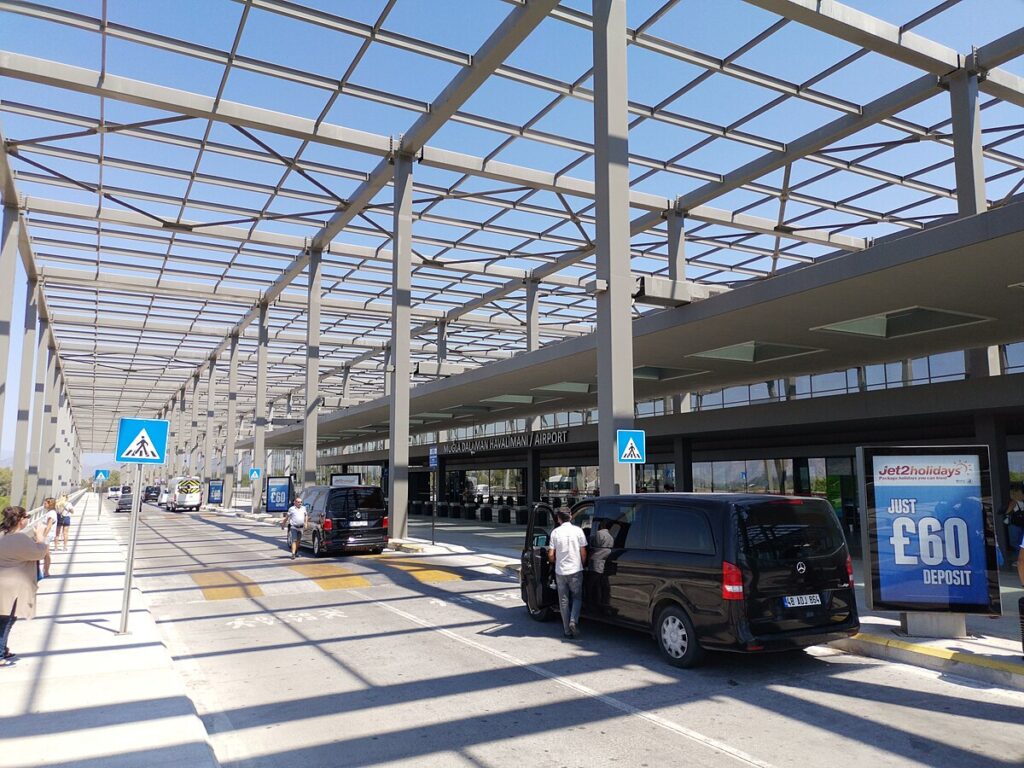
For most travellers, getting to Fethiye is straightforward. Dalaman Airport is close, intercity buses are widely available, and there are also seasonal ferry connections from Rhodes.
Arriving in Fethiye
- Airport shuttle buses: Services run from Dalaman Airport to Fethiye Otogar. From there, you can continue by dolmuş or taxi to areas such as Ölüdeniz, Hisarönü/Ovacık and Çalış.
- Private transfer: Usually 45–60 minutes and useful for a door-to-door transfer, especially for late-night flights, families or small groups with luggage.
- Intercity bus: Frequent connections from Antalya, İzmir and Istanbul arrive at the central Fethiye Otogar.
- Ferry from Rhodes: Seasonal ferries usually operate between Rhodes (Rodos) and Fethiye Marina from April to October, which can be useful if you are combining Turkey and Greece in one trip.
- Need full transport details? See our complete guide on how to get to Fethiye .
Is Fethiye Worth Visiting?
Fethiye is worth visiting if you want a flexible coastal base with scenery, history, boat trips and everyday local life in the same area.
Fethiye’s main strength is variety. In one day, you could visit the Lycian rock tombs, join a boat trip from the harbour and have dinner in Paspatur or around the Fish Market. It gives you more choice than a single resort stay, especially if you enjoy mixing beach days with short trips and town evenings.
It works best when you choose your base carefully. Fethiye Centre, Çalış, Ölüdeniz, Hisarönü/Ovacık and Kayaköy all suit different travel styles, so the right area depends on whether you want easy transport, beaches, nightlife, quiet evenings or easier access to day trips.
When Fethiye May Not Be the Right Choice
Fethiye suits many visitors, but it is not the right match for every style of holiday.
- If you want everything on your hotel doorstep: Fethiye may feel too spread out, because the town centre, beaches and nearby villages are not all within a short walk of one another.
- If you prefer a holiday that needs very little planning: a self-contained beach resort may feel easier than moving between different areas.
- If you dislike high-season crowds: July and August can feel busy on popular beach routes and main coastal roads.
- If you mainly want the ease of a luxury all-inclusive resort: Fethiye is better known for scenery, day trips and flexibility than for an all-in-one resort experience.
In short, Fethiye is best for travellers who like a mix of town life, beaches and day trips, and who are happy to choose the area that best matches their holiday style.
Best Time to Visit
Fethiye is a year-round destination, but for most visitors the main season runs from April to October.
June to August is the hottest and busiest period, best suited to travellers whose main priority is beach time. May and September usually offer the best balance of warm weather, pleasant sea conditions and more comfortable sightseeing. Spring is especially good for walking parts of the Lycian Way or visiting places such as Saklıkent Gorge, while early autumn often brings warm days with smaller crowds.
Choose July or August if you want the full summer atmosphere and do not mind heat or busier beaches. For a more comfortable first visit, May, June or September usually works better.
Check our full Fethiye weather guide for detailed monthly breakdowns of temperatures, rainfall and sea conditions.
What Should You Book in Advance in Summer?
If you are visiting in July or August, book the key parts of your trip ahead, especially if you want specific times, better availability or a smoother arrival.
- Accommodation: Popular areas such as Ölüdeniz, Çalış and central Fethiye can fill quickly in high season, especially for well-located hotels and family rooms.
- Airport transfer: Booking ahead is a good idea for late-night arrivals, families with luggage or anyone heading straight to areas outside the town centre.
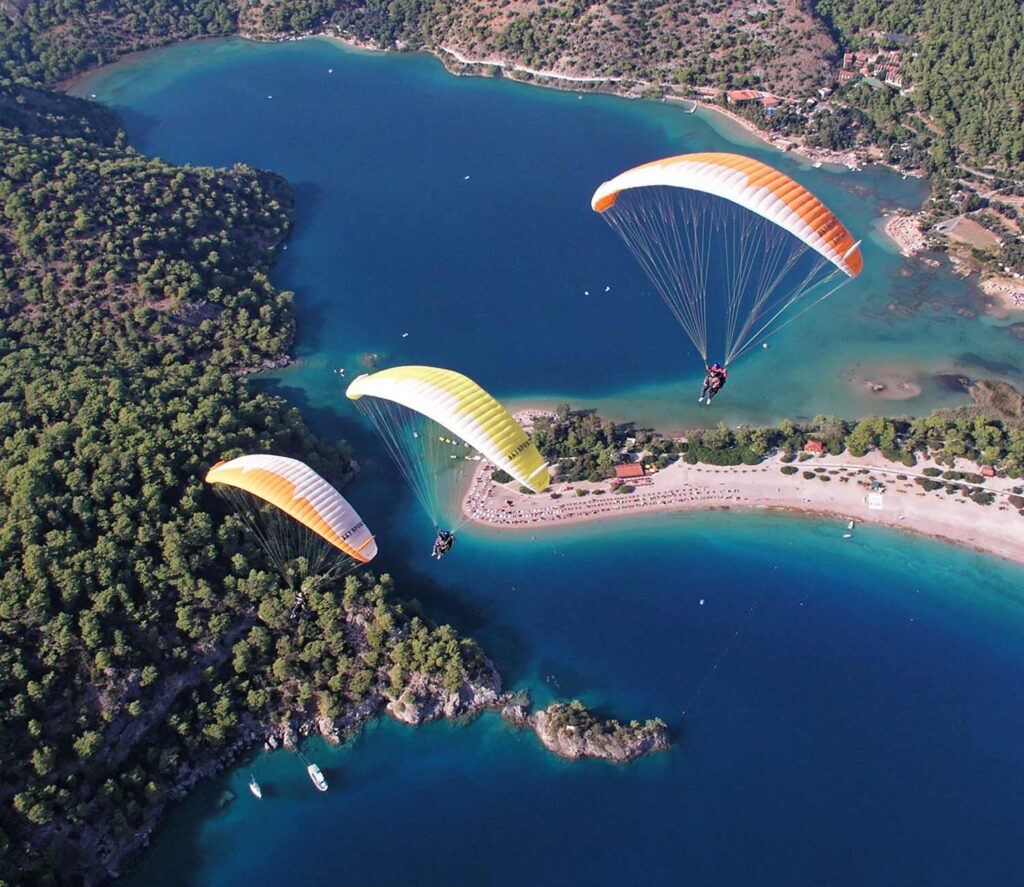
- Paragliding: Summer slots can be limited, particularly if you want a specific day or time.
- Boat trips: Popular departures can sell out, especially during the busiest weeks of July and August.
- Babadağ Cable Car: If this is high on your list, plan the timing in advance rather than leaving it for your busiest day.
You do not need to pre-book every part of your trip, but the most popular summer experiences are usually easier when arranged in advance.
What Is Fethiye Known For?
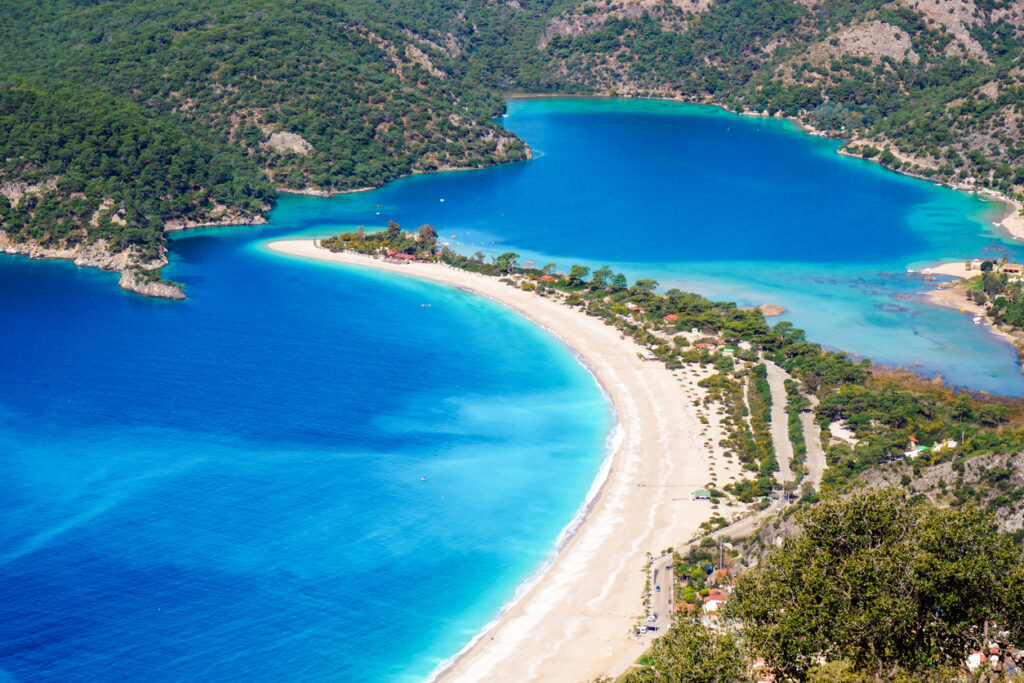
Fethiye is best known for its dramatic coastline, outdoor activities and Lycian heritage.
For many visitors, the big draws are the Ölüdeniz Blue Lagoon, paragliding from Babadağ — often reached via the Babadağ Cable Car — and historic landmarks such as the Amyntas Rock Tombs.
There is more to the area than the famous views, though. Fethiye is also known for the atmosphere of Paspatur Old Town, the Fish Market area where you can choose your fish and have it cooked for dinner, and its easy access to 12 Islands (12 Adalar) boat trips and sections of the Lycian Way.
Fethiye vs Ölüdeniz: Where Should You Stay?
The better choice depends on whether you want a beach-first stay or a more practical base for exploring.
- Stay in Ölüdeniz: Best if your holiday is mainly about the beach, sea views, the Blue Lagoon and being close to the paragliding landing area.
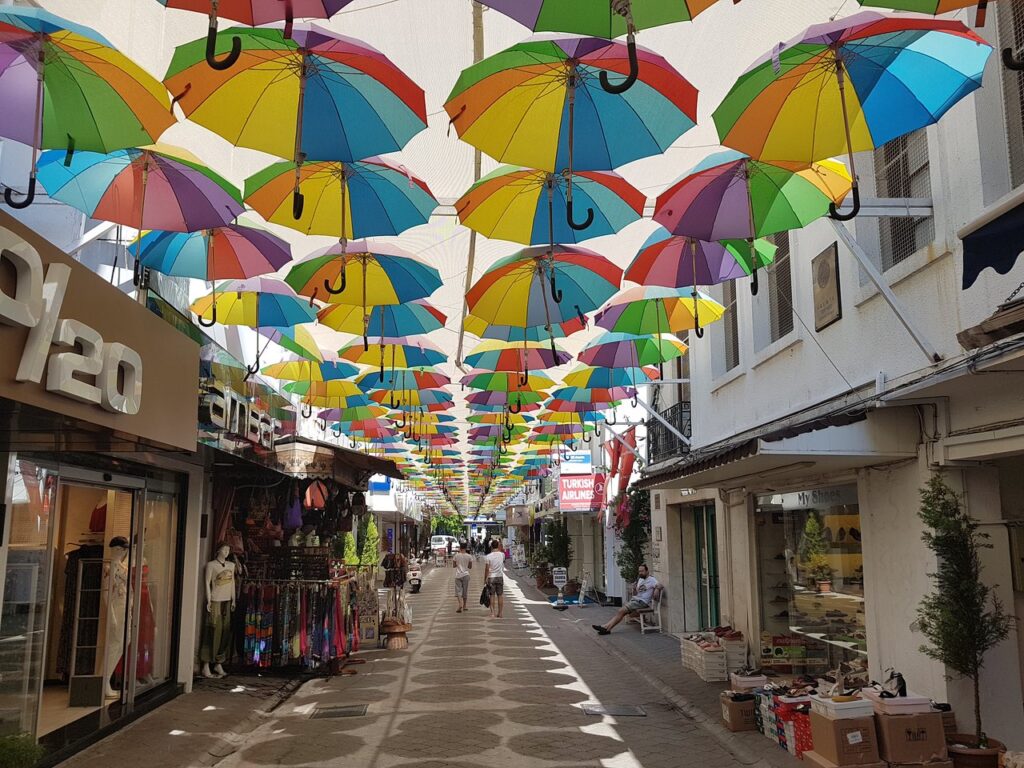
- Stay in Fethiye Centre: Best if you want easier transport, local markets, harbour life, the Fish Market and the old town of Paspatur within easy reach.
If you are unsure, Fethiye Centre is usually the more practical first-time choice, while Ölüdeniz works better for a beach-focused stay.
How Many Days Do You Need?
For most travellers, 3 to 5 days is enough time to see the main sights without making the trip feel rushed.
- 3 days: Enough for the essentials — one day around Ölüdeniz and the Blue Lagoon, one day on a boat trip, and one day for Fethiye town, Paspatur Old Town and the main historical sights.
- 5 days: Better if you want a slower pace, with time for a day trip to Saklıkent Gorge or Kayaköy, plus a relaxed evening somewhere like Çalış Beach.
If you only want the highlights, three days can work well. If you want time for beaches, boat trips and a couple of day trips without rushing, five days is a better choice.
Pros and Cons of Visiting Fethiye
| Pros | Cons |
|---|---|
| Diverse mix of coastline, history and local town life | Popular beach areas can feel very busy in July and August |
| Good base for day trips to places such as Saklıkent and Kayaköy | You may need dolmuş, taxi or a car to move between the main areas |
| Easy airport access via Dalaman | Traffic and parking can be frustrating in peak summer |
| Wide range of accommodation styles and budgets | Beachfront areas are usually more expensive |
Local note: In July and August, allow extra time for journeys towards Ölüdeniz, especially later in the day when the main road can get busy.
How to Keep Costs Down in Fethiye
Fethiye can work for a wide range of budgets. As a general rule, beachfront locations in Ölüdeniz tend to cost more, while Fethiye town and Çalış often offer better overall value.
- Eat locally: Try traditional lokantas in the centre, which are often better value than restaurants in the most touristy areas.
- Use local markets: The Fethiye Tuesday Market is good for produce, snacks and a more local atmosphere.
- Use dolmuş where practical: Local minibuses can reduce transport costs over several days, especially if you are moving between Fethiye Centre, Çalış, Hisarönü/Ovacık and Ölüdeniz.
Avoid the steep hiking trail from Faralya down to Butterfly Valley unless you are very experienced and properly equipped. The route is difficult, exposed in places and especially risky in hot weather.
Safer option: Take a boat from Ölüdeniz if you want to visit Butterfly Valley. If you only want the view, use one of the roadside viewpoints in Faralya instead.
Is Fethiye Safe?
Fethiye is generally a safe and relaxed destination for most travellers, including families, couples and solo visitors. The town is used to international tourism, and the central areas usually feel comfortable in the evenings.
Practical tips: Use licensed taxis, agree on the route or check the meter on longer journeys, and take normal precautions in crowded areas, markets and transport hubs.
Best Areas to Stay in Fethiye
If you are still deciding where to stay, these are the main areas to consider and the type of trip they suit best:
🏛️ 1. Fethiye Centre & Paspatur Old Town
Best for: Transport, day trips, local dining and a proper town atmosphere. This is usually the most practical area if you want to move around the region rather than spend most of your time in one beach resort.
🌅 2. Çalış Beach
Best for: Flat seafront walks, families and sunset views. Çalış has a more relaxed feel than the main resort areas and often offers better overall value.
🏮 3. Hisarönü & Ovacık
Best for: Nightlife, cooler evenings and easy access to Ölüdeniz by dolmuş. These areas sit slightly inland in the foothills and work well if you want bars, restaurants and a livelier evening scene without staying directly on the beach.
🪂 4. Ölüdeniz
Best for: Beach-first holidays, sea views and staying close to the lagoon and paragliding landing area. It is the most resort-style option in the wider Fethiye area, so booking early is sensible for July and August stays.
🏚️ 5. Kayaköy
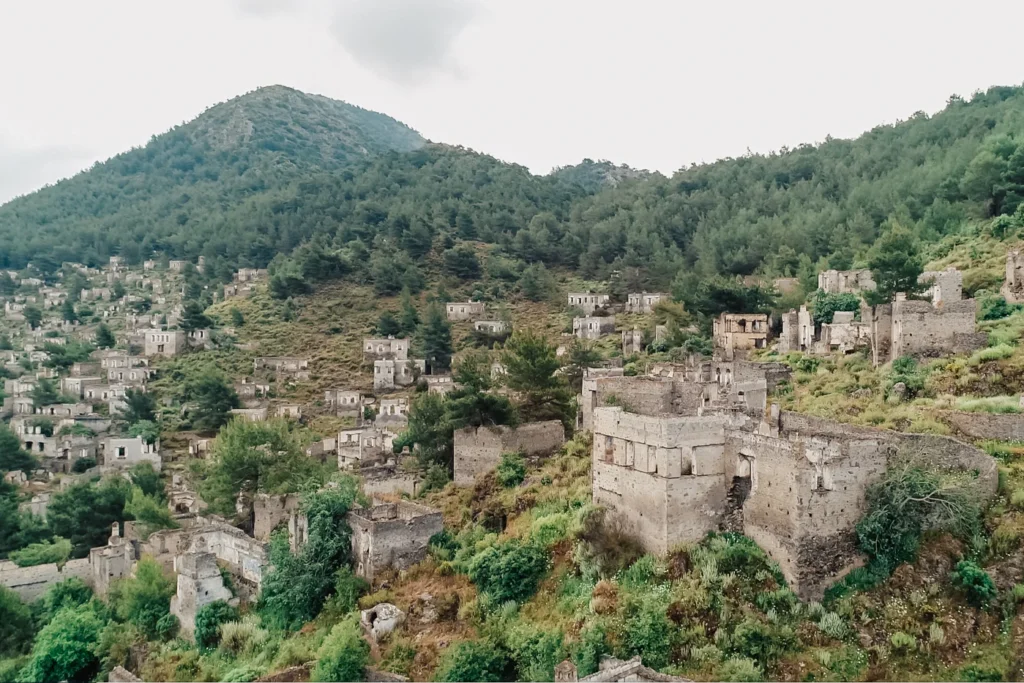
Best for: Peace, privacy and a slower rural setting. Kayaköy suits travellers who prefer villa-style stays, quiet evenings and more space, and who do not mind being away from the busiest coastal areas.
Frequently Asked Questions
How far is Fethiye from Dalaman Airport?
Fethiye is about 45 km from Dalaman Airport (DLM), with transfers usually taking 45–60 minutes depending on traffic and your final destination.
Is Fethiye closer to Antalya or Marmaris?
Fethiye is generally closer to Marmaris than Antalya. As a rough guide, Marmaris is about 2 hours away and Antalya about 3 hours away by road.
Do you need a car in Fethiye?
Not always. You can use dolmuş minibuses and taxis for many common routes, but a car can be useful if you want to explore quieter beaches, rural villages or several places in one day.
Is Fethiye’s Blue Lagoon free to enter?
The main Ölüdeniz beach is free to access, but the protected Blue Lagoon (Kumburnu) section requires a separate entrance ticket.
Is Fethiye safe for solo travellers and families?
Yes. Fethiye is generally considered safe for solo travellers, couples and families. Use normal precautions in crowded areas and choose licensed transport for longer journeys.
We are based here in Fethiye. If you would like quick local guidance or help choosing the right area for your stay, feel free to get in touch.
Message us on WhatsApp →